Travel Guide to Sisian, Armenia: History, Nature and Authentic Experiences
Armenian hospitality has always been our trademark, but in Sisian, it’s more than just a warm welcome. Here, hospitality rises above material generosity – it’s an expression of the greatness of the human soul.
I’m heading to the town of Sisian, where it’s almost always cool, so don’t forget to pack warm clothes. But believe me, the kindness and care of the locals will warm you from the inside out. Their respectful and generous attitude never lets you feel like a stranger or alone.
How to Get There
The minibus to Sisian departs from Yerevan’s central bus station. For just 2,300 drams, I board the vehicle that leaves every day at 9 a.m. I’m traveling 217 km south from the capital – on a path of new discoveries, positive energy, and vivid impressions.
The Sisian Tourist Center: What to Expect
My first stop in Sisian was the Tourist Information Center, right in the heart of town, at 2 Aram Manukyan Street. The town may be small, but this center does big work. I got bilingual maps, brochures, and helpful advice that immediately shaped my journey.
It’s always my rule: if a place has a tourist info center, I make sure to visit it. Why? Because locals are the best guides. Their stories, tips, and insights often surpass what you can find online.
At the Sisian Tourist Center, you don’t just get information – you get practical support. You can rent tents, mountain bikes, fishing rods, and even hire a guide. It’s a perfect option if you don’t enjoy solo travel or prefer to explore with an experienced local.
The Sisian History Museum: A Key to Syunik’s Culture and Past
If you want a complete picture of Syunik’s history, culture, and daily life, the best place to go is the Sisian History Museum.
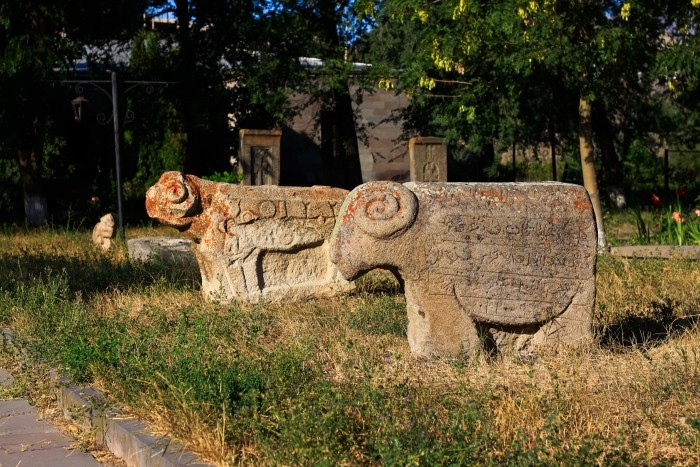
The museum showcases archaeological finds from the Sisian area, ranging from prehistoric times to the late Middle Ages. One of the most fascinating parts is the open-air section, with around 50 stone monuments, including an old basalt sarcophagus. It bears an inscription and dates back to the 11th–12th centuries. According to archaeologists, it might have belonged to King Grigor II, the penultimate ruler of the Syunik-Baghk kingdom.
A curious detail: the inscription is on the side of the sarcophagus, not on top, suggesting it was placed inside a burial chamber, not underground. Sadly, that structure has not survived.
📍 Address: 6a Adonts Street, Sisian
🎟 Admission:
– Under 12: Free
– Ages 12–18: 500 AMD
– Adults: 1000 AMD
– Guided tour in Armenian: 2000 AMD
– Tour in English/Russian: 3000 AMD
A Boat Ride on the Vorotan River: Sisian’s Waterside Surprise
Sisian’s beauty isn’t just about mountains and history. The town straddles both banks of the Vorotan River – and right there awaits a pleasant surprise: a river adventure.
A city tour brings you to a newly developed, well-kept park. Walk through it, and you’ll reach the riverbank. This is where the “Happy Navigation” begins – a short but unforgettable boat ride on the Vorotan River.
A one-hour ride costs just 500 AMD. That hour doesn’t pass – it flows, leaving you with warm memories and a calming sense of peace. I won’t spoil the experience by overexplaining. Just try it – you’ll see what I mean. One hour will feel like a moment.
Sisian Ceramics: Where Clay Meets Creativity
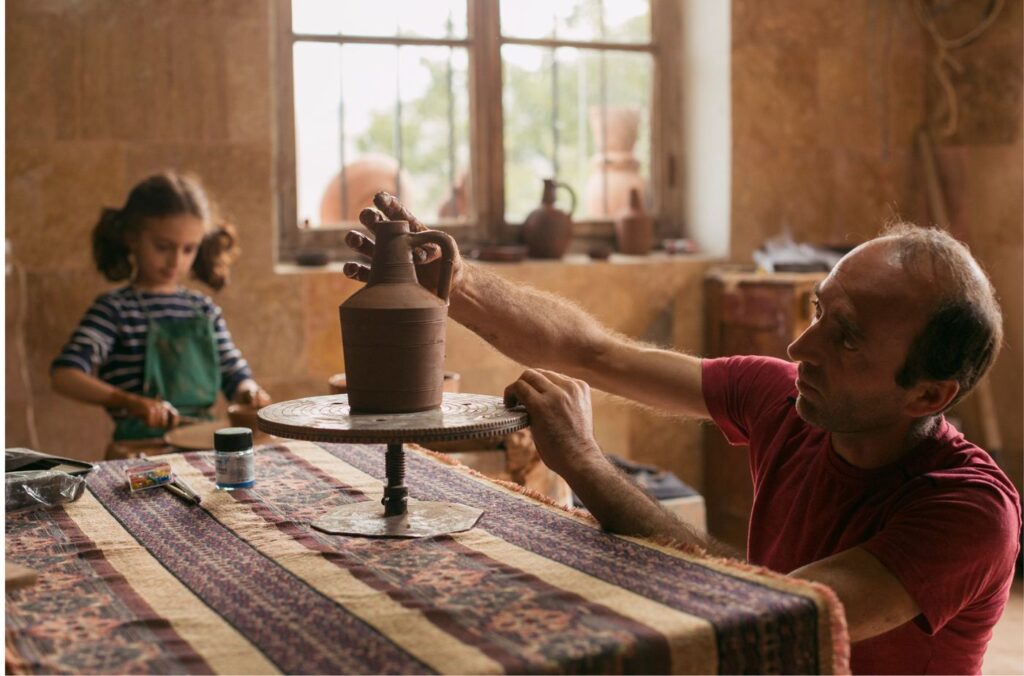
My journey continues to a place where past and present are molded together in clay. Pottery is still very much alive in Armenian life, and the best proof of that is the “Sisian Ceramics” studio.
I had written about Vahagn months ago – his center not only studies ancient Armenian pottery and techniques but also passes them on to a new generation.
Here, you can craft your own ceramic pieces by hand, using traditional Armenian ornamentation.
Basen Hotel: A Home in Sisian
The hotel where I stayed is called Basen. But “hotel” doesn’t quite capture its essence. Basen is like a big family – before you arrive, you’re a guest, but after your first visit, you’re part of the household.
I discovered Basen long ago. This is where I first learned Armenian songs and dances and tasted Kyalagyosh – a dish from Van’s cuisine, with roots going back to the Urartian era.
Basen also offers excursions to nearby sites like Ughtasar, Shaki Waterfall, Vorotnavank, and the Tolors Reservoir.
🛏 Overnight stay: 14,000 AMD
Of course, Sisian has more budget options starting from 8,000 AMD. But if you want to feel the spirit of the community, stay where people don’t just serve – they welcome you.
What Else to See in Sisian
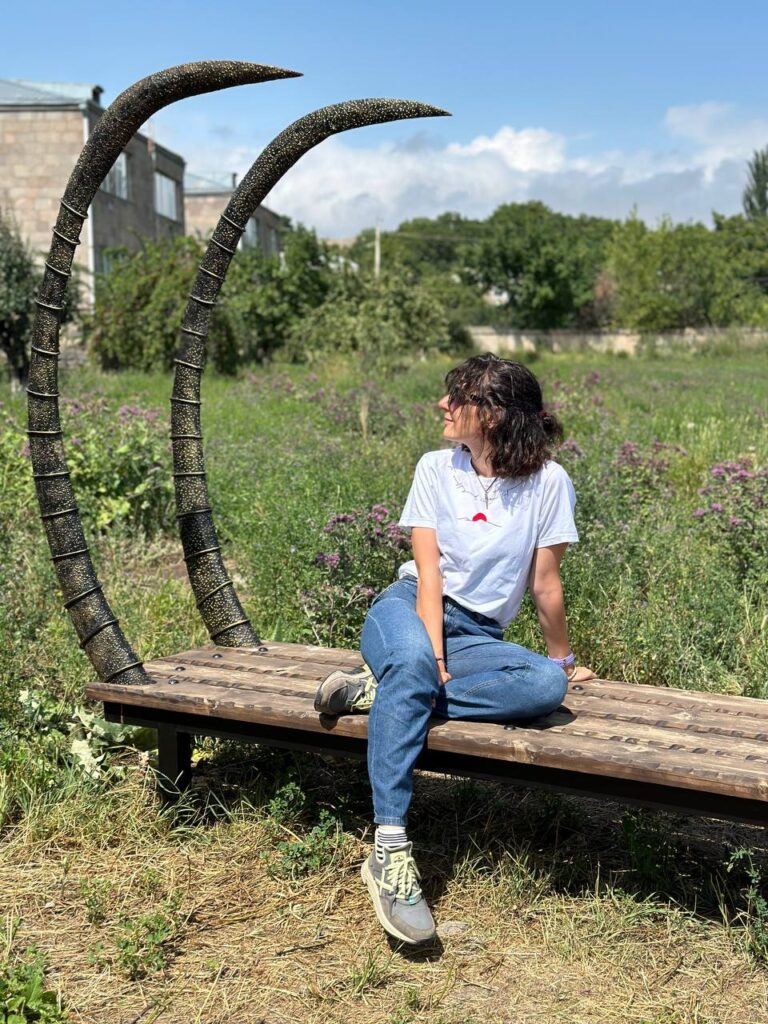
We begin Soviet-era Sisian’s story in the courtyard of Basen Hotel, which once hosted the local airport. Flights used to depart from here to Yerevan until the mid-1980s. Locals still recall funny stories about transporting chickens and odd items on flights.
Sisian is rich in drinking fountains – here, people deeply respect water sources. Spring construction is an ancient tradition in the region.
You’ll also see monuments honoring those fallen in World War II, including a memorial fountain for the 40th anniversary of victory and a monument to those who died during the establishment of Soviet rule in Armenia. Among the three sculptors who created the latter was the famous Teresa Mirzoyan.
Walk attentively through the town and you’ll see how every corner carries echoes of Soviet history.

Don’t Leave Without Tasting Sisian
Now to my favorite part. As much as I love history and landscapes, there’s one thing I truly confess: I’m crazy about Kyalagyosh. That’s how my path to knowing Sisian began – with a bite of Kyalagyosh, some rosehip syrup, and velvety khnchloz.
I first tasted Kyalagyosh at Basen – it’s served with love there. But beyond that, the Sisian region is a true gastronomic treasure:
— Rosehip syrup: light, sweet and tangy
— Starflower (Aster): why hadn’t I heard of this before?
— Khnchloz: soft, juicy, velvet-skinned
— Springtime asparagus
— And of course, Sisian is famous for its excellent lamb.
So if you visit Sisian and live off chips and sandwiches, I really don’t know what to say. Plan your trip so that you have time not only to see, but to taste Sisian.
A Taste of “Mobile” Cheese
Here’s something truly unique. In Sisian, you can not only enjoy traditional dishes in restaurants, but also try a “mobile” cheese tasting. Yes, you heard right. This experience is so light and flexible that it can be arranged almost anywhere — even while sitting by the reservoir, deep in nature.
Picture this: a good morning, a sunny cup of coffee or tea, and beside it, a juicy assortment of local cheeses. Add the view of a wide river or distant mountains. That’s the moment you realize why Sisian is so deeply loved.
“Navasard” Armenian-Iranian Cultural & Culinary Festival
August 10 is a special day in Sisian. That’s when the annual “Navasard” Armenian-Iranian Cultural and Culinary Festival takes place. The festival is a melting pot of flavors, arts, ancient crafts, and modern performances. Both countries present not just their food, but the language of the soul – building bridges through shared cultural expression.
But the celebration doesn’t end at the table. It continues with deep symbolism. On August 11, at dawn starting around 2:00 a.m., people hike to Zorats Karer, eager for the moment when the sky opens to reveal the constellation of Hayk. At 4:00 a.m., everyone lifts their eyes to see the stars that, according to ancient Armenian tradition, represent the victorious arrow of Hayk Nahapet.
August 11 is Navasard – the ancient Armenian New Year. It aligns with the moment when the brightest star of the Orion constellation reaches the celestial equator. In Armenia, Orion is associated with the constellation of Hayk. Legend says that at this very moment, Hayk struck down the tyrant Bel with a triple-bladed arrow, signaling the beginning of a bright new era.

The Sweetest Part of the Journey
In Sisian, bees are not just bees – they are heroes of a tiny, organized world.
We uncover the fascinating secrets of a bee family: we witness how a new bee is born, how it grows into a worker, how flower nectar becomes the honey we place on our tables.
Visitors can join in the real honey-extraction process – feeling the warmth, the fragrance, the joy of the moment. You can even pack the honey you help produce and take it home as a sun-kissed souvenir.
Participation starts at just 1,500 AMD. And because this experience is both sweet and educational, it includes a social component: students from various educational institutions receive a 50% discount.
Shaghat Oil Mill Museum: How Syunik Makes Its Oil
Just outside Sisian, another hands-on experience awaits: the Shaghat Oil Mill Museum. Here, you’ll learn the history of oil-making from ancient times, observe traditional production methods, and reach the most exciting part – pressing flaxseed oil using modern equipment.
Participation costs only 2,000 AMD. But this is more than a museum – it’s living history. Shaghat’s oil was once known across Armenia, and the flaxseed oil they produce is used not only for cooking but also for its healing properties.
The Church Beneath the Waters of Tolors
Just a few kilometers south of Sisian lies the Tolors Reservoir – easily accessible by car, or if you’re up for it, a scenic hike from the town itself.
This heart-shaped body of water is not just a beautiful spot. It holds the voice of the past. Years ago, there was a town here. Natural floods and human-engineered reservoirs may have erased it from the map – but not from memory.
Even today, you can spot the columns of a submerged church beneath the water – silent witnesses that people once prayed, lived, and dreamed here.
The hike can end near the Shamb Reservoir – the perfect place to lay out a blanket, break bread, and listen as the wind sings old stories across the water.
One Hike, Many Stops: Aghitu, Caves, the “Symphony of Stones,” and Vorotnavank
All major stops on this hiking route are accessible by car.
In Armenia, journeys are often so full of meaning that it’s hard to say where history begins and ends. Syunik, with its nature, stories, and sense of adventure, is a perfect place for such discoveries.
Our hike begins 7 km southeast of Sisian, in the village of Aghitu. There, a three-story mausoleum honors the memory of two noble brothers, according to legend. The area is rich in archaeological sites, from pagan structures to early Christian layers.
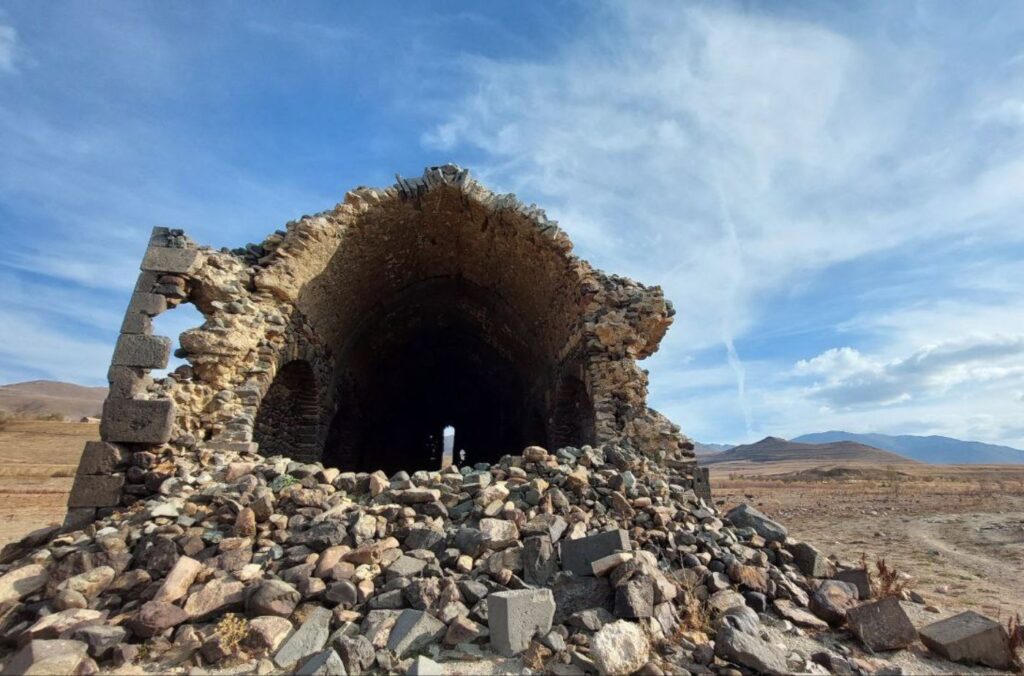
A 200-meter walk brings us to caves where Stone Age tools have been found – evidence that humans lived here millennia ago. These are believed to have been shelters for Stone Age hunters.
We hike along the Vorotan River – Syunik’s beloved lifeline. The route is suitable for both beginners and experienced hikers. Along the way, you’ll encounter Sisian’s “Symphony of Stones” – tall rock formations standing like sentinels along the riverbanks.
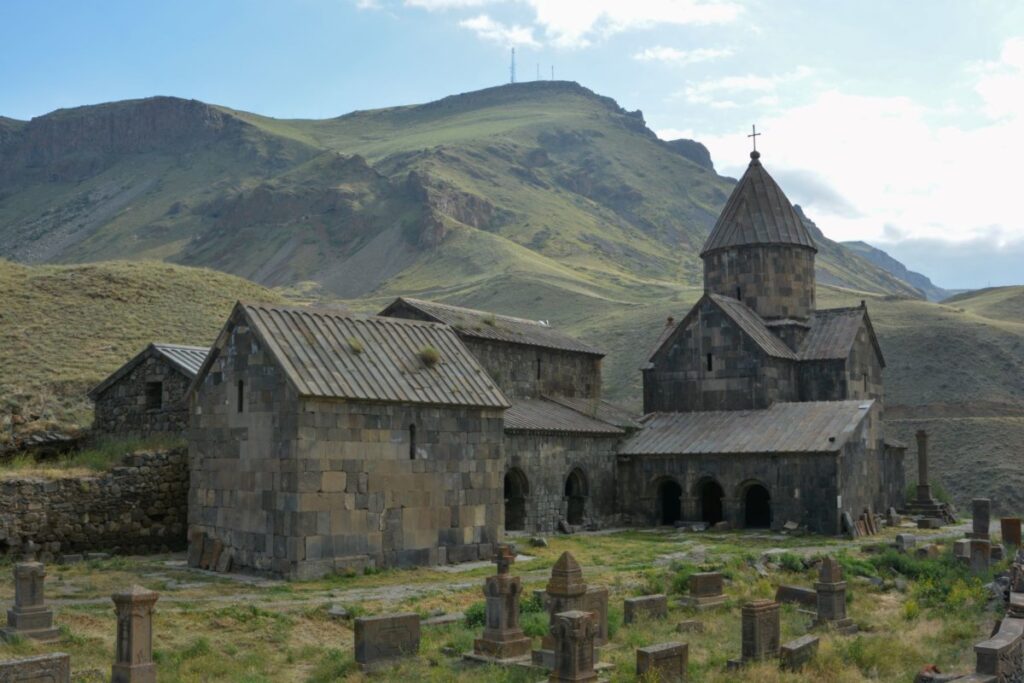
At the end of the hike, we arrive at Vorotnavank Monastery, founded in 1000 AD by Queen Shahandukht of Syunik. Once the site of a chapel dedicated to Saint Gregory the Illuminator, the monastery was known for its power to heal snake bites and became a pilgrimage site.
Inside the monastery are preserved frescoes; the surrounding grounds include shrines, workshops, and defensive walls. It was here that the famous medieval philosopher Hovhan Vorotnetsi lived and worked – the founder of the Tatev University.
Dastakert: The Ghost Town with a Soul
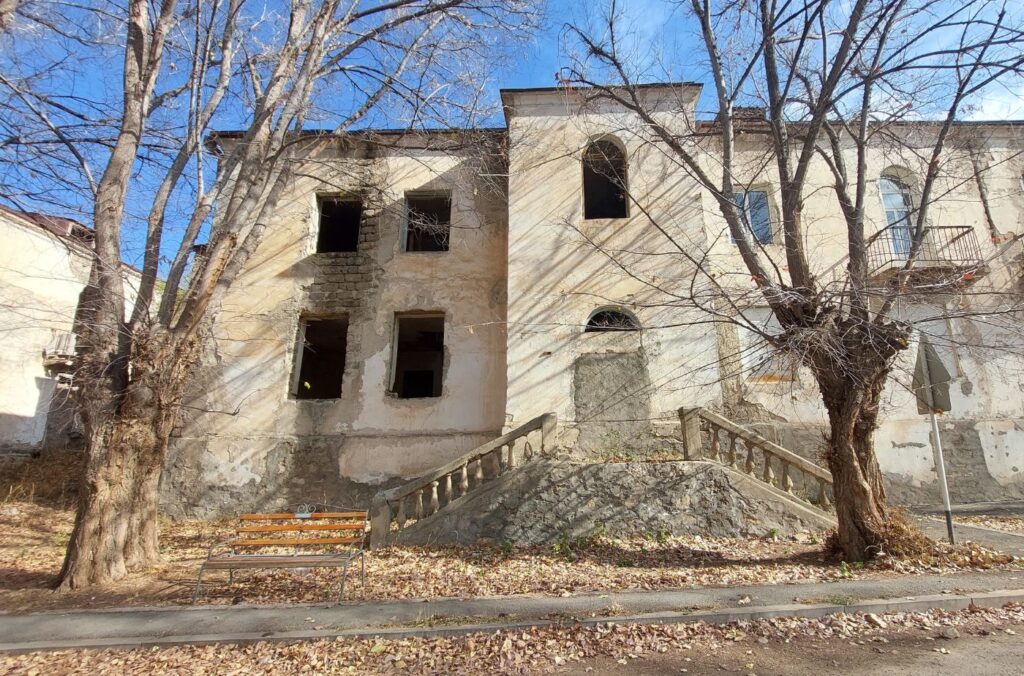
Dastakert is a must-see. It holds a haunting, powerful energy that will leave no one unmoved.
A city is like a living organism. It survives as long as its blood flows – its people acting as its lifeblood. But sometimes, due to radiation, disaster, or politics, people leave. The city doesn’t decay – it dries up, becomes a mummy. Its arteries crack, its eye sockets hollow out.
That’s exactly the feeling I had in Dastakert – the smallest city in Armenia, compact and mysterious.
Zorats Karer: The Armenian Stonehenge
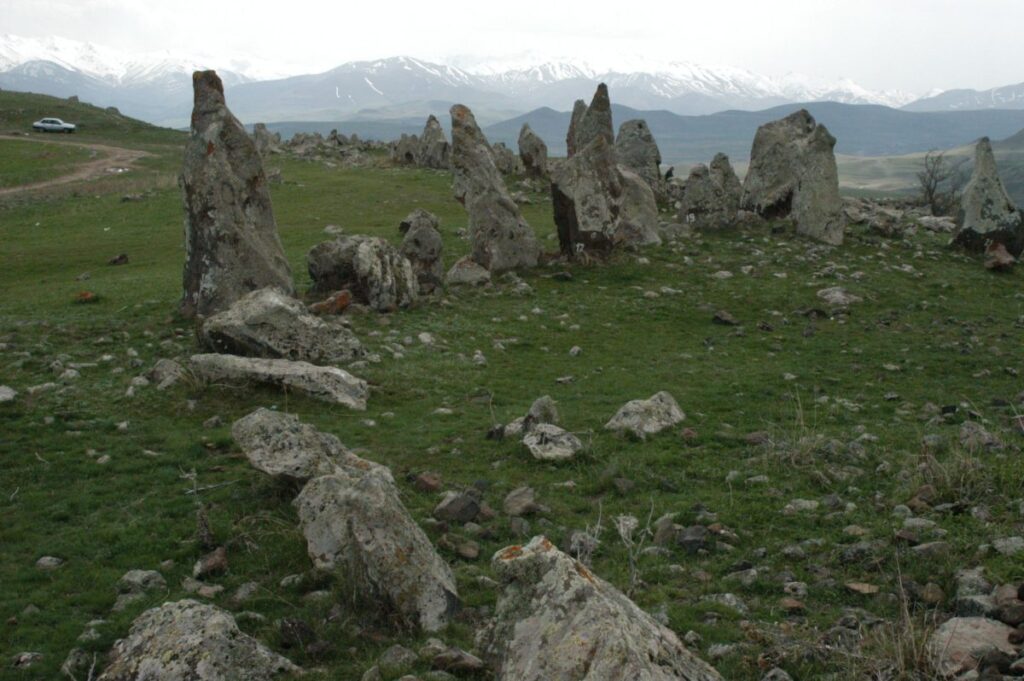
One of Armenia’s most famous landmarks is Zorats Karer, located in the Syunik province. Year by year, this prehistoric site draws more and more visitors. It’s from here that we began our hike toward Shaki Waterfall, walking along trails rich in the depths of time.
Entrance fee: 1,500 AMD. But the money is secondary. The true value lies in the energy of this place. Zorats Karer is a massive megalithic organism – with stone pillars that seem to whisper ancient secrets.
Scholars still debate its origin. Some believe it’s a prehistoric observatory, others a burial site. Even today, no consensus has been reached. However, in 2004, the Armenian government officially recognized Zorats Karer as an ancient astronomical observatory.
Shaki Waterfall
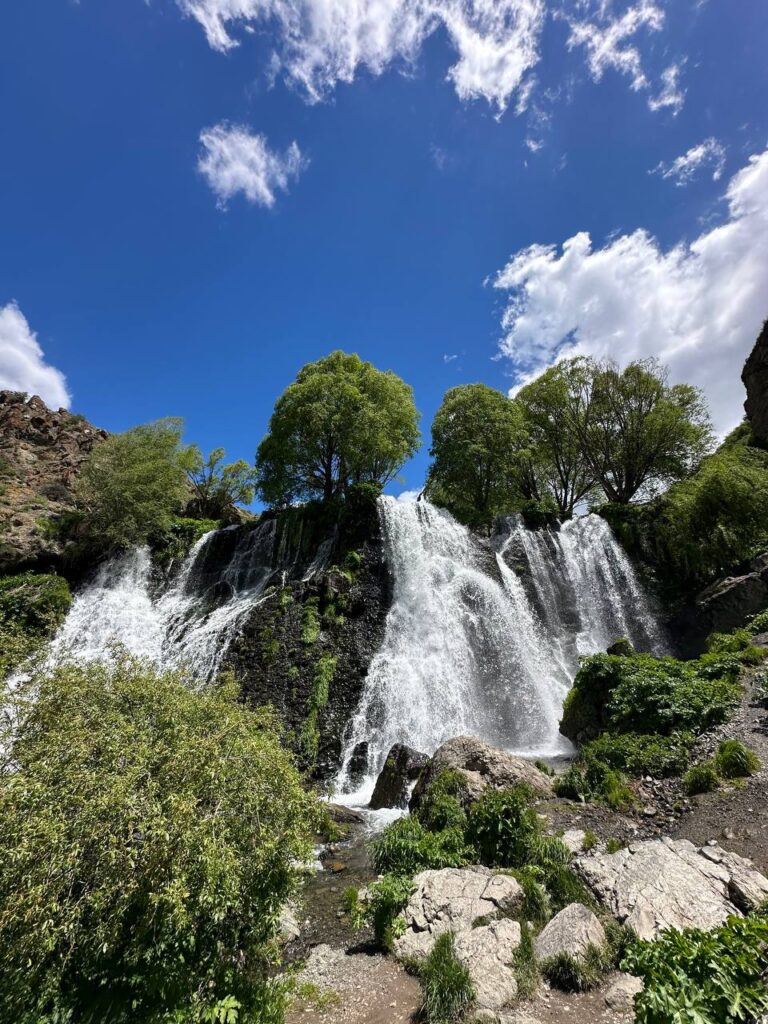
Mysterious, mystical, and absolutely real – from Zorats Karer, we made our way to Shaki Waterfall, a place where legend breathes beneath the cascading water.
The waterfall is nestled in a deep gorge, surrounded by cliffs and caves. Paleolithic traces, such as tools and ashes, have also been found here.
But beyond science, the most unforgettable part of this place is the legend.
The story goes that 93 young women from Gegharkunik were kidnapped to be offered to the commander of the Mughan army. When they reached this area, they asked to wash in the river before meeting him, saying they were dusty from the road. The soldiers agreed.
Once they entered the water, the girls vanished into the river. Only one, a blue-eyed girl named Shake, tried to flee. As the soldiers pursued her, a rock surged up from the stream and the waterfall engulfed her. Since that day, the falls and nearby village bear her name – Shaki.
I’ve shared just a glimpse of Sisian – its stories, legends, and Soviet echoes. The rest… I leave to you. Go. Dig deeper. Wander off the beaten path. And one day, you too will find yourself saying, “How did I ever miss this?”